
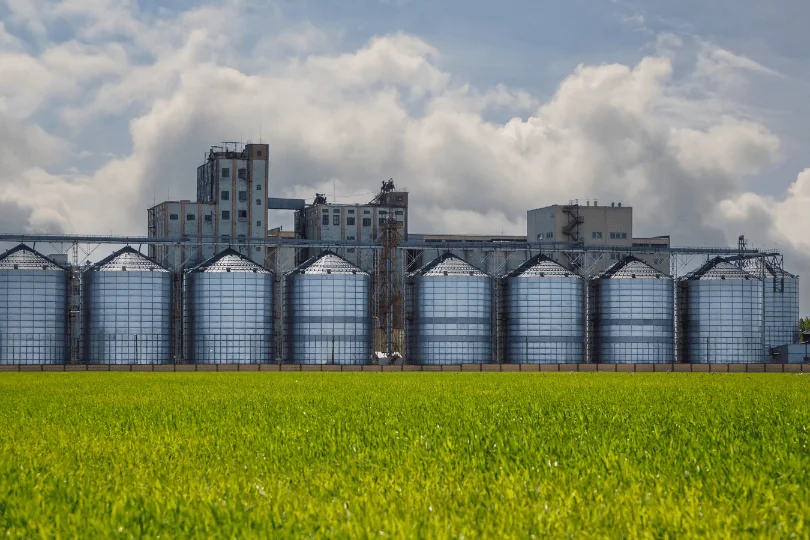
Shipping Silos
Shipping Silos Made Simple
Shipping silos takes more than booking a truck. FreightCenter helps you plan the right trailer, permits, loading, and route details so your silo moves safely, legally, and on schedule.
More Oversized Agricultural and Industrial Freight:
Combine Harvesters Balers Hydraulic Presses CNC Machines


Shipping Silos
When you need to move a silo, it’s essential that the process is predictable, safe, and successful. Silos are large, unwieldy structures that often play a critical role in various operations. Whether you’re dealing with a grain silo, feed silo, cement silo, or any other type of industrial silo, transporting a silo is not as straightforward as shipping a pallet of boxes.
Shipping a silo involves unique challenges and regulations, but with effective planning, there are opportunities to save time and money. This guide provides step-by-step information on shipping silos, presented in clear, simple language to help you navigate the process without complications.
For the best assistance available, consider using FreightCenter. Our wide range of services can support you in every aspect of silo shipping, ensuring that your freight is delivered safely and intact.





Thousands of businesses trust FreightCenter to move their freight faster, smarter, and cheaper! From unbeatable rates to top-notch service, our customers are raving about their shipping success.
See why they keep coming back!
Award-Winning Service, Trusted by Shippers Everywhere!
- 2021, 2017 & 2016 Food Logistics’ Top Green Providers
- 2021 & 2018 Supply & Demand Chain Executives’ Pros to Know: Matthew Brosious
- 2020 & 2019 Top Food Logistics’ 3PL & Cold Storage Provider Award
- 2020 & 2019 Business Observer’s Top 500 Companies on the Gulf Coast
- 2020 & 2017 SmartWay® Transport Partner
- 2020 & 2017 Food Logistics’ Champions: Rock Stars of the Supply Chain
- 2020 Best of Palm Harbor Awards for Local Businesses
- 2017 Green Supply Chain Award from Supply & Demand Chain Executive
- 2017 Tampa Bay Business Journal Heroes at Work
- 2016, 2015, & 2012 Food Logistics Top 100 Software and Technology Providers
- 2013 Tampa Bay Business 100 by Tampa Bay Business Journal
- 2013 Top 100 Great Supply Chain Partners by SupplyChainBrain
- 2012 TIA Samaritan Award Honorable Mention
- 2012, 2011 & 2010 TBBJ Fast 50 Recipient
- 2013, 2011, & 2010 Diversity Business Top Businesses

Why Choose FreightCenter for Shipping Silos?
Experience With Oversized and Heavy Freight: Silos can be quite impressive, often tall, wide, and heavy! At FreightCenter, we love tackling oversize and overweight freight, including agricultural and industrial equipment. Our experienced team knows the ins and outs of permitting, routing, and the right trailers for silo shipments. You can feel confident knowing you’re partnering with experts who truly understand your needs. Let’s make your shipping experience smooth and hassle-free
Access to the Right Equipment and Carriers: Transporting a silo safely is no small feat, and not all carriers are equipped to handle it. That’s where FreightCenter comes in: we connect you with a network of skilled carriers who specialize in handling large and unusual loads, using the right equipment, such as flatbeds and specialized trailers. You’ll have a variety of qualified options to choose from, ensuring you find the perfect fit for your timeline and budget. Let’s make your shipping experience smooth and successful!
Support With Permits, Routing, and Compliance: Shipping oversized silos can be daunting due to state permits, travel limits, and careful route planning. But don’t worry! FreightCenter is here to simplify the process for you, ensuring your shipment is compliant and on time. We meticulously consider bridge clearances, road restrictions, and escort needs before your silo hits the road. Let’s get your shipment moving!
Flexible Shipping Services Built Around Your Load: At FreightCenter, we recognize that every silo shipment is unique! Our goal is to align your shipping method with your equipment’s needs perfectly. We’re excited to offer a range of services tailored just for you. Whether it’s full truckload for major moves, specialized solutions for oversized silos, or expedited options for those tighter timelines, we’ve got you covered. Plus, we provide seamless coordination with cranes, forklifts, or rigging.
Real Human Support From Quote to Delivery: Silo shipping can raise questions and cause surprises, but with FreightCenter, you have a trusted partner by your side! Our dedicated freight experts are here to guide you from planning through delivery, proactively addressing any issues that may arise. Enjoy clear communication, sincere answers, and a single point of contact who truly understands your shipment needs!
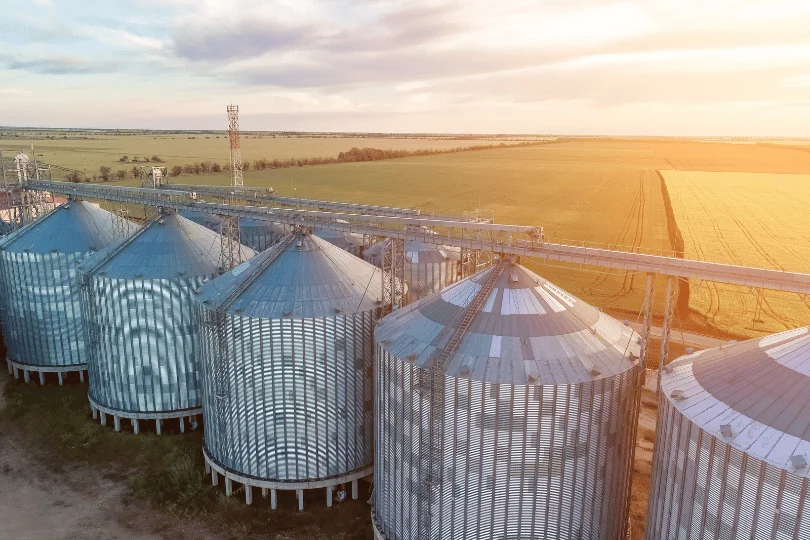
What Do We Mean by Shipping Silos?
Silos come in many shapes and sizes:
- Vertical steel silos used for grain storage
- Fiberglass or composite silos on farms or feedlots
- Cement and concrete silos at construction or industrial sites
- Modular or sectional silos that break into pieces
When farmers, construction companies, and manufacturers in the chemical, plastics, and food industries need a new silo, the process can be challenging. Silos are designed for bulk material storage, which means they are typically large and heavy, making transportation difficult.
Each type of silo comes with its own set of challenges. Some are several stories tall, while others are very heavy, necessitating specialized equipment for secure transport and permits for crossing state lines. Additionally, many silos can be surprisingly fragile due to internal stresses and their susceptibility to corrosion, increasing the risk of structural collapse during transportation.
Because of that, shipping a silo isn’t a one-size-fits-all freight job. You need someone who knows how to plan for dimensions, weight, permits, escorts, loading, securing, and delivery.
Shipping silos isn't the same as standard freight; many circumstances can prevent a smooth shipping experience. Here are the most important factors to keep in mind when preparing to freight ship a silo:
Silos often exceed standard freight limits in height or width, which means you may need permits for each state you travel through and may face travel time restrictions, such as driving only during daylight hours or prohibitions on weekends. Additionally, escort vehicles may be required depending on the silo size. This paperwork is essential not just for bureaucratic reasons; it ensures the safety of people and maintains the legality of your shipment.
Some silos can be shipped in one piece, while others need to be disassembled. Key components to consider include detachable legs or support frames, internal components that should be secured or removed, and sensitive sensors or electronics. Safeguarding your investment during transport is essential to ensure it arrives safely.
Most agricultural silos are heavy, with typical farm grain silos holding 2,500 to 50,000 bushels (23,273 to 4,654,559 gallons) depending on their size. Shippers need to plan for loading and unloading equipment, like cranes and forklifts, and may need to hire rigging crews. We always ask: What equipment will you have at pickup and delivery? If you're unsure, we can help you.
Not all roads are the same. Tall silos need bridges with adequate clearance to prevent collisions, and shippers should watch for overhead power lines to avoid tangling. Some roads can't support heavy silos, so freight drivers must steer clear of those lanes. Effective route planning helps avoid delays and reduces fuel costs. We can assist in finding the best route for your freight so you spend less and gain more from your shipment.
How Much Does It Cost to Ship a Silo?
Cost is one of the biggest questions we hear, and it’s a valid concern. However, there is no fixed rate for silo shipping. The price for shipping a silo depends on several factors:
1. Size & Weight: A small portable silo is obviously cheaper to move than a 40-foot-tall industrial silo.
2. Distance: Local moves cost less than long-distance hauls. But distance isn’t the only thing — it’s also how you travel.
3. Oversized Permits and Escorts: If your silo is wider than the standard highway width (usually 8.5 feet), you may need permits, pilot cars, or even police escorts.
4. Loading & Unloading Needs: Do you need a crane at the origin or the destination? Do you need riggers to disassemble, secure, or reassemble parts?
5. Route Restrictions: Some bridges, tunnels, or rural roads aren’t friendly to big freight. Route planning can add cost.
Putting all of this together, cost estimates for shipping silos typically range widely, which is why we tailor every quote to your specific load. No generic numbers, just honest freight.
However, we calculated some rough estimates to give you an idea of what silo shipping prices look like. Below is a table featuring estimated rates for transporting several types of silos:
| Type of Silo | Origin → Destination | Estimated Transit Time | Estimated Shipping Cost* |
|---|---|---|---|
| Grain silo (disassembled sections) | Des Moines, IA → Wichita, KS | 1–2 days | $1,200 – $2,000 |
| Feed silo (assembled, oversized) | Fresno, CA → Bakersfield, CA | 1 day | $1,500 – $2,800 |
| Cement silo (large, industrial) | Pittsburgh, PA → Columbus, OH | 2–3 days | $2,500 – $4,500 |
| Steel storage silo (oversize, long-haul) | Amarillo, TX → Greeley, CO | 3–4 days | $4,000 – $7,000 |

Why People Choose FreightCenter for Shipping Silos
You don’t ship silos every day. We do. That experience matters when the freight is large, heavy, and complex to move.
- Real Freight Expertise: Shipping silos requires more than standard freight rules. At FreightCenter, we handle oversized and specialized shipments daily, ensuring proper permitting, routing, and securement to keep your load moving legally.
- Multiple Carrier Options: FreightCenter provides access to a broad network of vetted carriers experienced in hauling silos and industrial equipment. This flexibility allows you to balance cost, transit time, and equipment availability without compromising quality.
- Clear, Upfront Communication: Silo shipping involves many variables, and surprises can be costly. FreightCenter outlines the necessary permits and equipment upfront, ensuring you know what to expect before your shipment.
- Hands-On Support From Start to Finish: FreightCenter remains involved from booking to delivery, quickly addressing any questions or issues that arise thanks to our stellar customer support team.
FreightCenter offers customized shipping solutions for each unique silo, focusing on your specific load needs, whether it’s a dedicated truck, specialized trailer, or help with cranes and rigging. If you are ready to enhance your silo shipping experience, then call our agents at (800) 716-7608 or try our free online freight quote tool to get an instant rate for your silo today!
 Guaranteed competitive pricing every time you ship.

Preparing Your Silo for Transport (Quick Checklist)
Taking more care and handling while preparing your load leads to a better quote and a smoother move. Here’s a short list to help you prep:
- Measure length, width, height, and weight accurately.
- Label any detachable components.
- Secure loose parts or remove delicate equipment.
- Clear space for loading at pickup and unloading at delivery.
- Tell us about cranes, forklifts, or rigging crews you’ll have.
Frequently Asked Questions About Shipping Silos

Q. What does “shipping silos” usually involve?
Shipping silos typically involve transporting large storage structures used for grain, feed, cement, or industrial materials. Depending on size and design, silos may ship fully assembled or broken down into sections, often requiring specialized trailers, securement, and advance planning for permits and routing.
Q. Do silos need to be disassembled before shipping?
Not always. Smaller or modular silos are often disassembled into sections to reduce height and width, which can lower costs and simplify permitting. Larger industrial silos may ship assembled if dimensions allow. FreightCenter helps evaluate whether disassembly makes sense based on size, route, and cost considerations.
Q. What type of trailer is used to ship a silo?
Most silo shipments move on flatbed or step-deck trailers, though larger or heavier units may require specialized heavy-haul equipment. The right trailer depends on the silo’s height, weight, and center of gravity, as well as any oversize restrictions along the route.
Q. Are permits required to ship silos?
In many cases, yes. If a silo exceeds standard legal dimensions or weight limits, state permits are required for each state through which the shipment travels. FreightCenter can help coordinate carriers that are experienced with permitted loads and understand oversize compliance requirements.
Q. How much does it cost to ship a silo?
The cost to ship a silo varies widely based on size, weight, distance, permits, equipment needs, and whether the silo ships assembled or in sections. Smaller regional moves may cost a few thousand dollars, while large industrial silo shipments can cost significantly more. FreightCenter provides custom quotes based on your exact shipment details, so you pay the correct amount based on your silo’s dimensions.
Q. How long does it take to ship a silo?
Transit time for silo shipping depends on distance, permitting timelines, and route restrictions. A short regional shipment might take one to two days, while long-haul or heavily permitted moves can take several days or longer. Planning ahead helps avoid delays, especially for oversized loads.
Q. Can silos be shipped long distances across multiple states?
Yes, silos are commonly shipped across state lines. However, multi-state shipments require careful coordination of permits, routing, and travel restrictions. FreightCenter works with carriers who routinely handle interstate oversized freight and understand these requirements.
Q. What information do I need to get a silo shipping quote?
To get an accurate quote, you’ll need the silo’s dimensions (length, width, height), weight, origin and destination ZIP codes, and whether it ships assembled or disassembled. Letting FreightCenter know about available loading or unloading equipment also helps ensure accurate pricing.
Q. Do I need cranes or forklifts to load or unload a silo?
Often, yes. Many silos are too heavy or tall for manual handling. Cranes, forklifts, or rigging crews may be required at pickup, delivery, or both. While we don’t provide cranes and forklifts ourselves, FreightCenter can help you think through these needs during the planning stage so nothing is overlooked. We’ll also connect you with carriers that offer crane and forklift services.
Q. Are silo shipments considered heavy haul freight?
Some silo shipments qualify as heavy haul, especially large cement or steel silos. Others may simply be oversized without exceeding weight thresholds. FreightCenter evaluates both dimensions and weight to determine whether a shipment requires heavy-haul handling or standard flatbed service.
Q. How should a silo be prepared for shipping?
Preparation typically includes securing or removing loose components, protecting sensitive parts, labeling sections if disassembled, and ensuring the silo is clean and empty. Proper freight packaging reduces the risk of damage and makes loading safer and more efficient.
Q. Can silos be damaged during shipping?
Like any large piece of equipment, silos can be damaged if not properly secured or handled. Choosing experienced carriers, using the right equipment, and planning routes carefully all reduce risk. FreightCenter focuses on matching silo shipments with carriers that understand securement and handling best practices. We also provide third-party freight insurance from our partners to protect your more fragile silos.
Q. Does severe weather affect shipping silos?
Yes, severe weather does affect silo shipping. High winds, snow, ice, or heavy rain can impact oversize loads more than standard freight, especially tall silos. Weather can also affect crane operations during loading or unloading. FreightCenter monitors conditions and works with carriers to adjust schedules when safety is a concern.
Q. Can FreightCenter help with last-minute or expedited silo shipments?
In some cases, yes. While oversized and permitted shipments require planning, FreightCenter can help identify expedited or priority options when timelines are tight. Availability depends on equipment, permits, and carrier capacity, so early communication is key.
Q. Is FreightCenter a good fit if I’ve never shipped a silo before?
Absolutely. Many customers ship silos only once or occasionally. FreightCenter’s role is to guide you through the process, explain what’s required, and help avoid common mistakes, so even first-time silo shippers can move their equipment with confidence.
Common Mistakes to Avoid When Shipping Silos

Wrong Measurements = Wrong Plan
Even a few inches can change the trailer, permits, route, and final price. Measure the silo (or each section) at its widest and tallest points, including frames, ladders, and attachments.

Overlooking Loading & Unloading
A perfect quote can fall apart if there’s no crane, forklift, or safe staging space on pickup day. Confirm what equipment you have on both ends and plan a clear loading area in advance.

Assuming Any Carrier Can Handle It
Silos need the right trailer, securement experience, and oversize know-how. Choosing a carrier without silo/heavy-haul experience increases the risk of delays, damage, and compliance issues.