

Special Requirements When Shipping Freight
Special Requirements When Shipping Freight? We’ve Got You Covered.
FreightCenter connects you with experienced carriers and expert support to handle even the most complex shipping challenges. From compliance and permits to specialized equipment, we ensure your freight meets every requirement safely, efficiently, and on time.
More Pages on Special Requirements When Shipping Freight
LTL Shipping Checklist Basics of Freight Shipping Costly LTL Shipping Mistakes and Solutions


More Pages on Special Requirements When Shipping Freight
LTL Shipping Checklist Basics of Freight Shipping Costly LTL Shipping Mistakes and SolutionsSpecial Requirements When Shipping Freight
When it comes to freight shipping, one size does not fit all. Certain items require extra attention, added documentation, or specific handling procedures. These special requirements can impact everything from transit time and cost to carrier selection and packaging standards if not handled correctly and with care.
Whether you’re shipping fragile goods, hazardous materials, or high-value equipment, understanding the special requirements when shipping freight is essential to ensure compliance, safety, and a smooth delivery. By partnering with FreightCenter, you will receive both an educator and an assistant to help you meet these requirements through our shipping solutions. No matter the situation, we have a service that can help you overcome it!





Thousands of businesses trust FreightCenter to move their freight faster, smarter, and cheaper! From unbeatable rates to top-notch service, our customers are raving about their shipping success.
See why they keep coming back!
Award-Winning Service, Trusted by Shippers Everywhere!
- 2021, 2017 & 2016 Food Logistics’ Top Green Providers
- 2021 & 2018 Supply & Demand Chain Executives’ Pros to Know: Matthew Brosious
- 2020 & 2019 Top Food Logistics’ 3PL & Cold Storage Provider Award
- 2020 & 2019 Business Observer’s Top 500 Companies on the Gulf Coast
- 2020 & 2017 SmartWay® Transport Partner
- 2020 & 2017 Food Logistics’ Champions: Rock Stars of the Supply Chain
- 2020 Best of Palm Harbor Awards for Local Businesses
- 2017 Green Supply Chain Award from Supply & Demand Chain Executive
- 2017 Tampa Bay Business Journal Heroes at Work
- 2016, 2015, & 2012 Food Logistics Top 100 Software and Technology Providers
- 2013 Tampa Bay Business 100 by Tampa Bay Business Journal
- 2013 Top 100 Great Supply Chain Partners by SupplyChainBrain
- 2012 TIA Samaritan Award Honorable Mention
- 2012, 2011 & 2010 TBBJ Fast 50 Recipient
- 2013, 2011, & 2010 Diversity Business Top Businesses
Why Choose FreightCenter to Meet Special Requirements When Shipping Freight?
Carrier Expertise Matching: We partner with a wide network of carriers experienced in handling specialized freight, from temperature-sensitive cargo to oversized loads. We’ll match you with the right carrier that can handle your freight with care and competence.
Custom Solutions: We provide services that go beyond just delivering your freight. Whether you need inside delivery, liftgate service, or white glove treatment, our team creates tailored shipping solutions that meet your unique needs.
Compliance Guidance: Fulfilling regulatory compliance can be challenging to do alone. We help you navigate documentation, labeling, permits, and regulations required for items like hazardous materials or international shipments.
Real-Time Visibility: Track every stage of your freight journey with our shipment tracking tools, even for complex or multi-leg deliveries. This means you can monitor your freight’s journey from beginning to end.
Dedicated Support: Our freight experts are available to walk you through requirements, avoid mistakes, and keep your shipment on schedule. They’ll also be there to fix any errors or issues you come across while meeting those requirements.
Special Requirements in Freight
Freight shipping is already a precarious venture. Not only do you have to arrange for a delivery vehicle to move your freight from one location to another, but you also have to ensure your freight remains safe and secure throughout the journey without being there to monitor it in person. This is difficult enough to handle, but some freight has exceptional circumstances that require unique shipping requirements. These requirements typically arise due to:
- Product type (e.g., perishable, hazardous, high-value)
- Shipment size or weight (e.g., oversized or heavy haul)
- Delivery location limitations (e.g., residential, construction site, limited access)
- Equipment needs (e.g., refrigeration, flatbed, liftgate)
- Regulatory or safety mandates
Identifying these requirements ahead of time helps prevent delays, fines, or damages. They also ensure your freight is in the right hands from the start, so that you can have peace of mind while your freight is out for delivery.
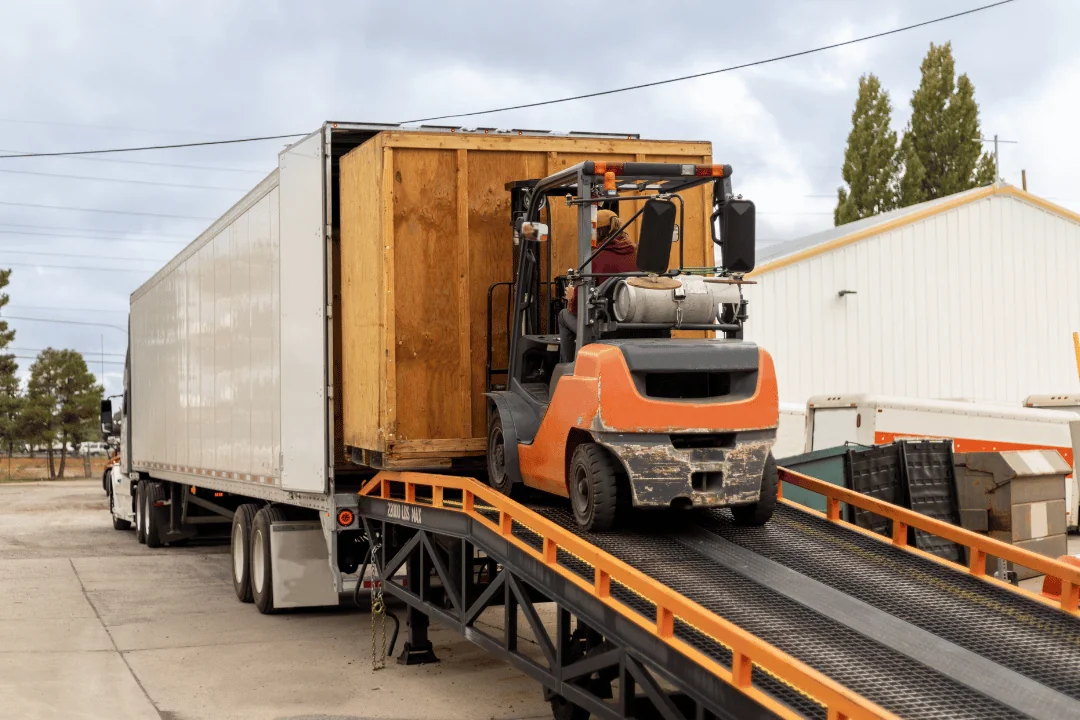
Common Special Freight Shipping Scenarios
The requirements for shipping a freight shipment depend on the specific details of that shipment. To help you understand the potential requirements, here are some common scenarios where special shipping conditions may apply:

1. Hazardous Materials (Hazmat)
Chemicals, batteries, aerosols, and flammable materials are all considered hazmat. Because they are dangerous when exposed to heat, moisture, or damage, they must be treated with special care when freight is shipped. Some of the special requirements you may need to meet when shipping hazmat include the following:
- Proper hazmat classification: Hazmat shipments are classified into 9 main classes based on their primary hazard. You must obtain your hazmat shipment’s class and have it displayed on your shipment via a placard (see below).
- UN number: This is a 4-digit code that identifies hazmat during transport. Shipments must have the shipment’s UN number displayed on all visible sides so that carriers know the safety procedures necessary for the shipment.
- Hazmat placards: These are diamond-shaped signs that are displayed on vehicles and containers carrying hazmat. They show the type of hazards the shipment or vehicle is carrying, such as whether the shipment contains explosives, poisons, or corrosive materials.
- Safety Data Sheets (SDS): These are documents that detail the potential hazards of shipping certain hazardous materials and how to safely handle them. Carriers must have a copy of the shipment’s SDS to understand how to properly transport them.
- Certified hazmat carriers: Not all carriers are authorized to transport hazardous materials. You must find carriers that are licensed to carry them and ensure they are given all safety precautions and documentation before the pickup date.
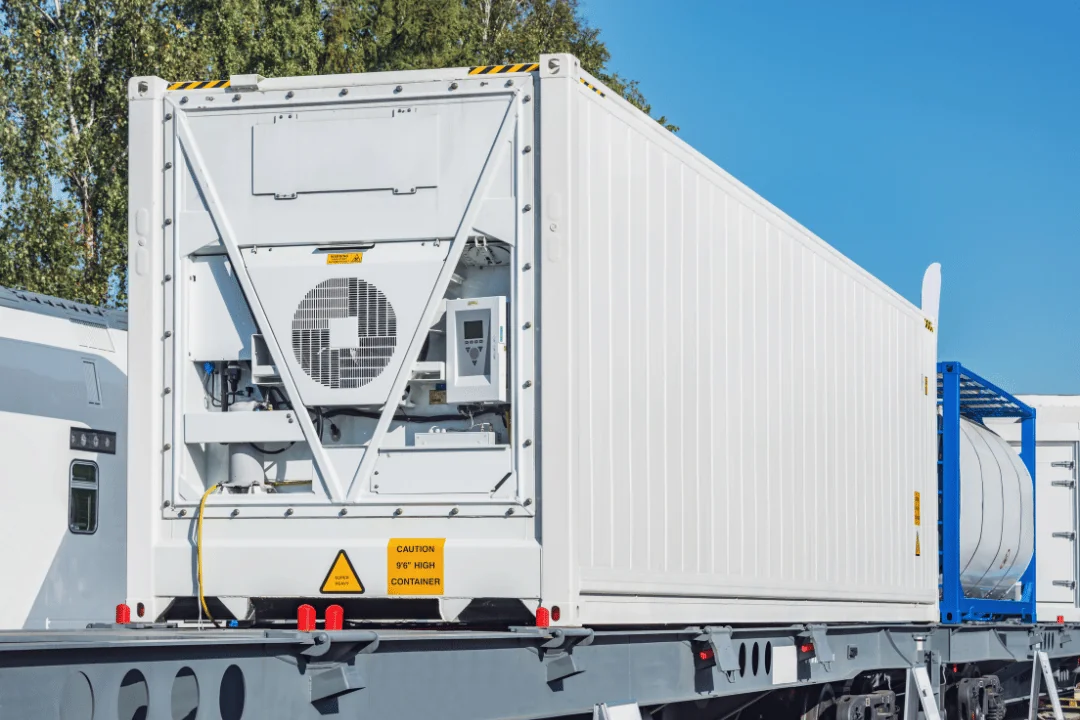
2. Temperature-Sensitive Freight
Frozen or chilled goods, such as pharmaceuticals, food, or flowers, require continuous refrigeration during freight shipping. Prolonged exposure to heat can spoil or ruin these items. To ensure proper handling, shippers must adhere to the following guidelines:
- Refrigerated (reefer) trailers: Chilled or frozen foods must be delivered in a refrigerated trailer, known as a reefer. These trailers can be temperature-controlled, making it easy to keep items at a stable temperature.
- Use temperature-sensitive packaging: You may be required to package your temperature-controlled freight in unique packaging, such as refrigerated containers, insulated pouches, pallet liners, dry ice, gel packs, and vacuum insulated panels (VIPS) for precise, accurate temp control.
- Constant temperature monitoring: You must ensure carriers understand the required temperature for your freight and the consequences of not monitoring it. Keeping an eye on the temperature guarantees your freight’s safe delivery.
- Strict pickup and delivery windows: As much of the temperature-sensitive freight is also time-sensitive, pickup and delivery windows must be strictly followed by the shipper and the carrier. Shippers may need to consider booking expedited freight services to get goods delivered on time.

3. Fragile or High-Value Goods
Some goods are sturdy enough for rough and bumpy commutes, while others are fragile and sensitive to damage, such as electronics, artwork, antiques, and medical equipment. Here are some key requirements for transporting fragile items:
- Custom crating and padding: To properly protect your freight during transport, you may be required to crate your goods and add extra padding inside the crate. There are third-party crating options available if you are unable to crate your items yourself.
- White glove services: For sensitive cargo, consider special freight services like white glove delivery, where carriers handle loading, unloading, and unpacking directly. Your carrier will do its utmost to handle your freight throughout the transport personally.
- Inside pick up and delivery: This refers to pick-up or delivery from within your home or building, instead of at the curb or at a loading dock like traditional freight pickup/delivery. You won’t need to worry about moving your freight from inside to the street and into the trailer with inside delivery.
- Freight Insurance: Sometimes damage is unavoidable. To protect your freight, your carrier may require you to obtain freight insurance to cover any potential damage. Know that some carriers do not have full coverage insurance; you may need to apply for third-party insurance.
Meeting special freight requirements often starts with preparation. Every kind of freight needs to be packaged correctly according to its size, weight, vulnerability, and stowability, while also putting on the correct labels and documenting everything in the process. Here are key steps to packaging, labeling, and documenting your specialized freight:
If you are shipping LTL, you must ensure your shipment's dimensions and weight are accurate for proper freight classification. If they aren't, carriers will reclassify your freight and charge you extra for inaccuracy.
What packaging you use for your shipment will depend on the freight itself. It's best to use crates for fragile items, shrink-wrap for freight on pallets, or hazmat-approved containers for hazardous materials.
Labels must be present on all visible sides of a shipment. You must include handling instructions (such as "this side up", "fragile" or "keep cool"). You must also have placards that state a hazmat shipment's UN number and hazard class.
When your carrier arrives to pick up the freight, you must have certain kinds of documentation on hand to give to your carrier. This includes the Bill of Lading (BOL) but also includes customs forms, permits, SDS, and insurance forms.
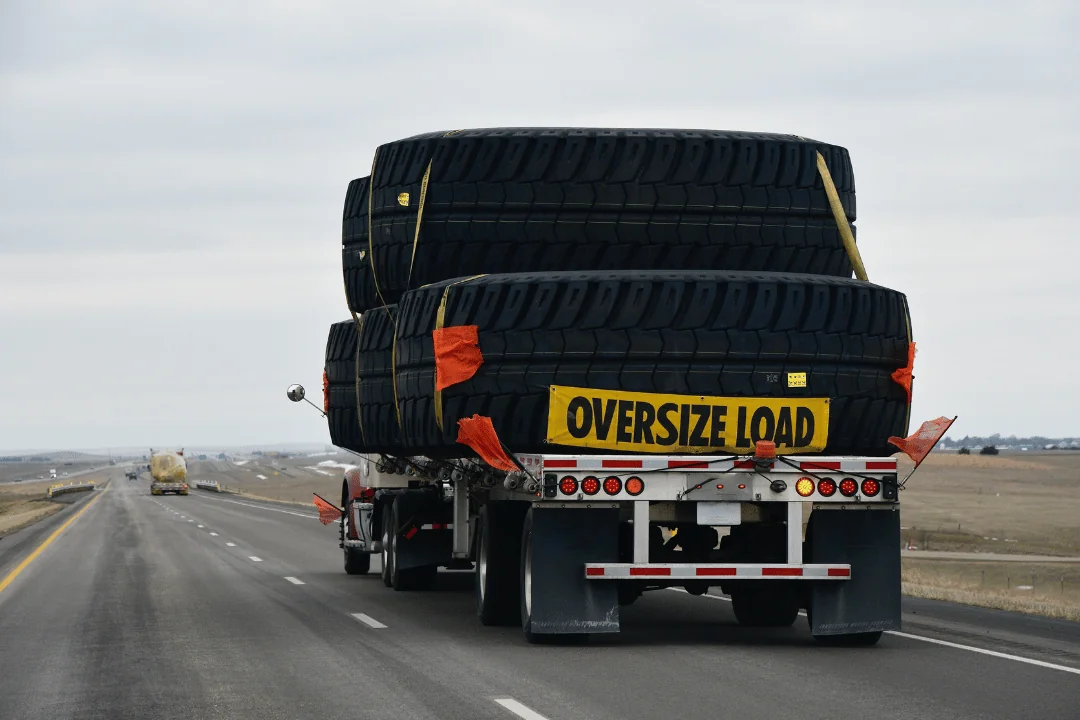
4. Oversized and Heavy Equipment
Some goods are so large, bulky, and oversized that standard semi-trailers cannot transport them, including equipment like bulldozers, industrial tanks, HVAC units, and wind turbine parts. Domestic and international regulations make transporting them challenging, but here are some things shippers need to remember:
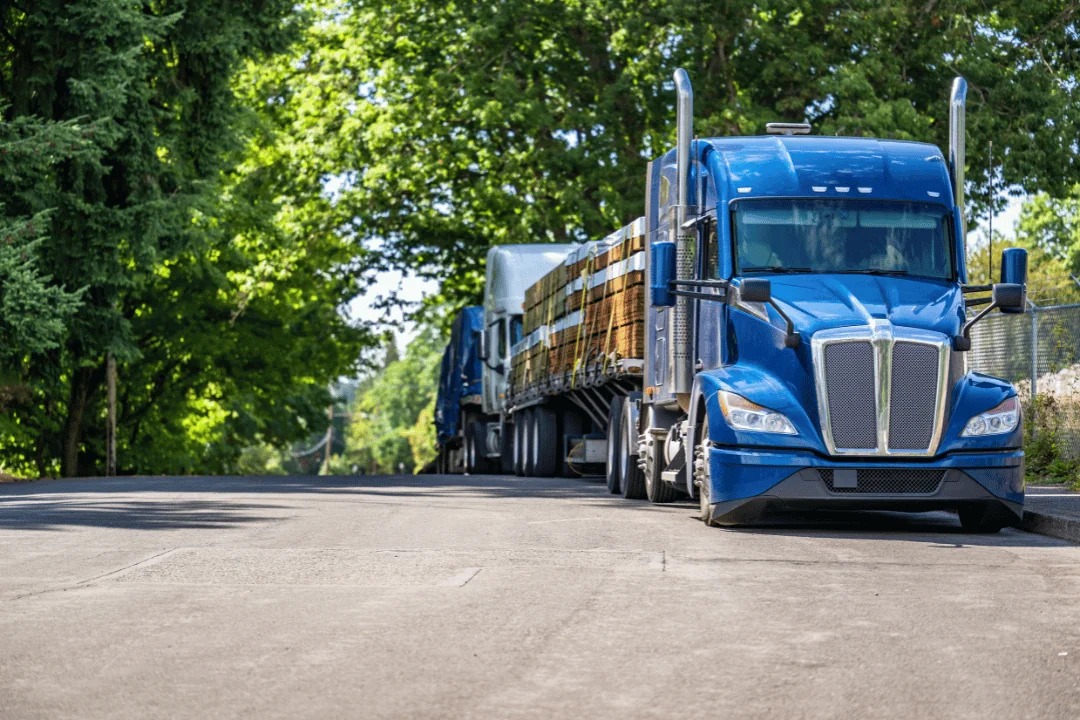
- Flatbed and other trailers for heavy equipment: Flatbeds are ideal for transporting oversized equipment, with other suitable options including RGNs, step decks, and lowboys. Always securely strap the freight being transported on flatbeds to prevent sliding during transit.
- Permits for over-dimensional loads: Many states in the US require carriers and shippers to obtain permits for transporting oversized loads. You must acquire permits for each state you travel through and follow all procedures for moving oversized freight in each one.
- Route planning: Shippers should carefully analyze the route their oversized freight will be taking. Some roads forbid oversized loads because of road size and pedestrians, while others are open to all-sized freight transportation. Plan routes carefully to ensure safe passage and
- Escort vehicles: Some states mandate that freight exceeding a specific weight limit must be accompanied by an escort, either from the carrier or local authorities. It’s essential to arrange for these escorts in advance to avoid any issues with the regulations in the states through which the freight will travel.
5. Residential or Limited Access Delivery
Final mile delivery will sometimes take place not at a business’s loading dock, but in front of a person’s residence. Correctly picking up and delivering to a special location with limited room for freight transportation has several requirements:
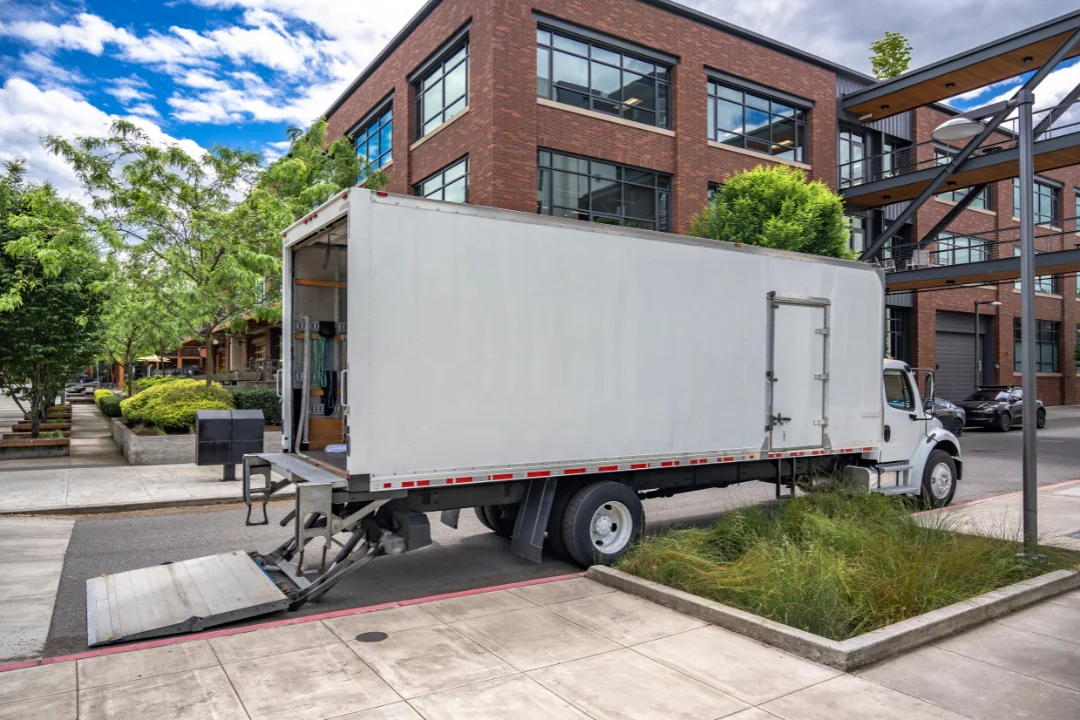
- Liftgate service: Residences typically do not have a loading dock, necessitating the use of a lift gate for loading and unloading freight from the trailer. This must be ordered in advance by the shipper; failure to do so will incur additional fees if the carrier needs to use a lift gate.
- Call-ahead scheduling: Deliveries and pickups with limited access require more time and coordination than standard freight deliveries. Shippers must book in advance and notify locations beforehand about the delivery.
- Alternate locations: If a delivery location is too restricted, such as in extremely rural or dense urban residences, then consider shipping to a nearby location or to a terminal to avoid location access fees and wasted time.
FreightCenter Services That Support Special Requirements When Shipping Freight
When you partner with FreightCenter, you’re not just getting a middleman between the shipper and carrier; you are gaining a freight expert. With decades of experience in freight shipping, we have assisted a wide range of customers in transporting every type of freight. Given our extensive experience, it’s no surprise that FreightCenter is well-equipped to help you meet all your complex freight shipping needs. Here’s how we support you in addressing those specific requirements when shipping freight:
1. We offer a variety of unique services that can assist customers in managing their special freight shipping experiences. These include services like:
- Expedited shipping for time-sensitive shipments
- White glove delivery services for fragile goods
- Heavy haul shipping for oversized and wide loads
- Reefer and temperature-controlled options for perishable and sensitive goods
- Liftgate and Inside delivery/pickup services for freight that can’t be picked up from the curb or loading dock
- Third-party insurance that protects freight and helps navigate carrier claims.
2. We provide expert logistics support throughout the booking process. We’ll help you understand regulations for specialized freight and how to best comply with them.
3. We match your shipment with carriers that specialize in your freight type or route. We also provide discounted rates through our carrier partnerships.
4. We keep you updated throughout your shipment’s delivery with shipment tracking tools and ongoing customer service, even after the booking is complete.
Do you have to fulfill special requirements when shipping freight? We’ll make complying with said regulations simple and hassle-free. Call us at (800) 716-7608 to speak to one of our freight representatives, or try our free online quote tool to start your specialized freight shipping experience today. We’ll do the heavy lifting for you: logistically and literally!

 Guaranteed competitive pricing every time you ship.
Why Compliance Matters
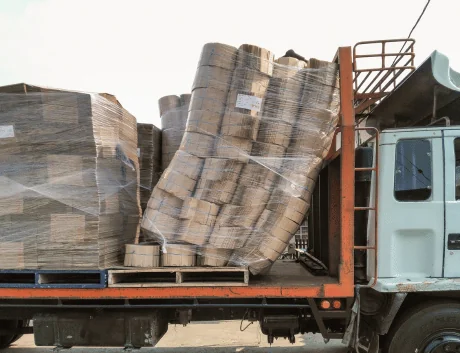
Why is it crucial to meet the special requirements when shipping freight? That’s because of the consequences of not following regulations. Failing to meet special shipping requirements can result in:
- Delays and missed deadlines
- Fines or legal issues (especially for hazmat or international freight)
- Damaged goods
- Lost business due to poor delivery performance
However, don’t worry! FreightCenter helps you stay compliant, reduce risk, and keep your freight moving efficiently and safely.
Frequently Asked Questions about Special Requirements When Shipping Freight

Q. What qualifies as special requirements when shipping freight?
Special requirements refer to any non-standard needs that go beyond typical freight shipping. This can include special handling, regulatory compliance, delivery restrictions, equipment needs, or documentation. Examples include hazardous materials (hazmat), temperature-sensitive goods, high-value items, oversized or overweight cargo, fragile freight, or shipments requiring white glove or inside delivery. Recognizing these requirements early helps prevent delays, fines, or damage during transit.
Q. How do I know if my shipment has special requirements?
Identifying special freight requirements depends on several factors: the nature of the goods, the pickup and delivery locations, weight and dimensions, sensitivity, and applicable regulations. If your freight is unusually large, fragile, perishable, dangerous, or needs extra services like liftgate or limited-access delivery, it likely has special requirements. FreightCenter’s shipping specialists can evaluate your shipment details and flag any special requirements before you book — so nothing gets overlooked.
Q. What are common accessorials for special freight?
Accessorials are optional services that go beyond standard dock-to-dock delivery. For shipments with special requirements, common accessorials include:
- Liftgate pickup/delivery (for locations without loading docks)
- Inside or white glove delivery
- Residential or limited access delivery
- Appointment scheduling
- Trade show or convention center delivery
- Hazardous materials handling
- Reweigh or reclassification support
FreightCenter allows you to select needed accessorials during the quote or booking process to ensure you’re fully covered.
Q. Do all carriers handle special freight?
No, not all carriers are qualified or equipped to handle freight with special requirements. For instance, hazmat shipments require carriers with special certifications and training. Similarly, not all carriers offer temperature-controlled trailers or can accommodate oversized loads. FreightCenter partners with a large network of vetted carriers — and we match your shipment with the ones best suited to your specific needs, whether that’s flatbed transport, reefer trucks, or white glove service.
Q. Can I book temperature-controlled freight online?
You can request a quote for temperature-controlled freight online, but because of the strict requirements involved — such as specific temperature ranges, pickup and delivery timing, and specialized equipment — most bookings are finalized with help from a freight expert. FreightCenter makes this process seamless. Our team can coordinate everything from selecting the right reefer equipment to monitoring time-sensitive deliveries for perishable goods, pharmaceuticals, or other sensitive cargo.
Q. What happens if I don’t disclose special requirements?
Failing to disclose special requirements when booking can lead to major issues:
- Your freight may be refused at pickup
- The carrier could charge extra fees (or reclassify your shipment)
- Delivery may be delayed or rescheduled
In some cases, improperly handled freight could be damaged, destroyed, or even cause safety hazards. FreightCenter helps you avoid these problems by guiding you through the booking process and prompting you to include all relevant details upfront.
Q. Are there extra costs for special requirements?
Yes, special requirements often come with additional costs. Accessorial services, specialized equipment, permits, insurance, or handling fees may apply depending on what’s needed. While these costs can vary by carrier and shipment type, FreightCenter ensures transparency by showing detailed breakdowns during the quoting process. You can compare rates from multiple carriers and choose the service level that matches your budget and needs.
Q. Is hazmat shipping available nationwide?
Hazardous materials can be shipped nationwide, but only through carriers certified to handle hazmat freight. Regulations vary by state, and specific labeling, documentation, and packaging must be followed. Not all carriers or terminals are equipped to accept hazmat, so planning ahead is crucial. FreightCenter works with DOT-certified hazmat carriers and helps coordinate every step — from documentation to permits — to make sure your shipment is compliant and secure.
Q. What’s the best way to pack fragile freight?
For fragile freight, protective packaging is essential. Use industrial-grade materials like:
- Custom wooden crates or double-walled boxes
- Shock-absorbing foam or padding
- Shrink-wrap and pallet straps to secure items
- “Fragile” and “This Side Up” labels clearly displayed
If your freight is high-value or extremely delicate (such as electronics, glass, or artwork), white glove service is often the safest choice. FreightCenter can help arrange packaging consultations and specialty services to reduce the risk of in-transit damage.
Q. Can I ship heavy equipment internationally?
Yes, heavy equipment like excavators, generators, or manufacturing machinery can be shipped internationally — but the process is more complex. It requires export documentation, permits, insurance, and the right type of transport (flatbed, RGN, or containerized). You’ll also need to coordinate with customs agencies and confirm the equipment complies with local import laws. FreightCenter simplifies international heavy equipment shipping by handling logistics, documentation, and carrier selection for you.
Q. Do I need permits for oversized freight?
Yes. Oversized freight (usually anything exceeding 8.5 feet wide or 13.5 feet tall) typically requires special permits. Permitting rules vary by state, and some may require pilot cars or restricted travel hours. FreightCenter works with carriers that handle over-dimensional freight and coordinates the necessary permits and route planning — so you don’t have to navigate the red tape on your own.
Q. Can I add insurance to cover my high-value shipment?
Absolutely. Most standard freight shipments include a basic liability coverage, but it may not reflect the true value of your goods. If you’re shipping high-value items — such as electronics, artwork, or medical equipment — purchasing additional cargo insurance is strongly recommended. FreightCenter offers third-party freight insurance during booking, so you can protect your investment with peace of mind.
Q. How do I schedule liftgate delivery?
Liftgate service can be requested during the quoting or booking process. It’s commonly required when the pickup or delivery location doesn’t have a loading dock or forklift. FreightCenter lets you add liftgate service with a simple checkbox during your quote. Our team can also advise whether it’s needed based on your shipment details and location type.
Q. What if I need to ship to a trade show or event?
Trade show and event shipping comes with strict timing, limited access windows, and venue-specific regulations. Freight often needs to be delivered to a specific booth at a precise time, not just a loading dock. FreightCenter offers specialized trade show logistics support, including advanced scheduling, on-site contact communication, return shipping, and temporary storage options. We help ensure your materials arrive exactly when and where they’re needed.
Q. How can FreightCenter help with special freight shipping?
FreightCenter provides end-to-end logistics support for shippers dealing with special requirements. We start by understanding your freight and its unique needs, then match you with carriers that specialize in handling it, whether that means hazmat-certified drivers, temperature-controlled trailers, or flatbeds for oversized machinery. We offer accessorial services, documentation help, real-time tracking, and optional insurance. Our team acts as an extension of your shipping department, making complex shipments easy, safe, and cost-effective.
Planning Ahead for Special Freight Requirements

Lead Time Matters
Special freight often requires more time: time for obtaining permits, scheduling specialized equipment, or packaging custom items. Booking early gives you more transportation options and better rates.

Seasonal & Industry Timing
Shipping hazmat in peak summer? Oversized freight during hurricane season? Seasonal timing affects risk and availability for freight. FreightCenter helps you plan around it so your freight is delivered, regardless of the season..

Coordination Pays Off
When multiple parties are involved in a freight shipment, such as warehouses, carriers, and vendors, coordination becomes key. We help manage the moving pieces so nothing falls through the cracks.