

How to Ship Construction and Building Materials
Ship Building Materials Safely and Efficiently
Whether you need lumber, steel, or drywall delivered, FreightCenter makes it simple to move construction materials securely. Our carrier network offers tailored solutions, liftgate service, flatbeds, and tracking, so your supplies arrive on site, on schedule, and on budget.
Related Building Material Shipping Services
Flatbed Freight Services Shipping Lumber and Wood Products Shipping HVAC Equipment Shipping Roofing Tiles


Moving bricks, lumber, cement, and steel demands more than a truck. It takes proven expertise and the right equipment. FreightCenter partners with a nationwide network of vetted carriers to move heavy and oversized building materials safely and efficiently. Whether you’re stocking a jobsite with bulk loads of rebar or coordinating mixed pallets of drywall and fasteners, our tailored solutions—flatbeds, liftgates, inside delivery, and more—keep your project on schedule and within budget.
From instant online quotes and real‑time tracking to dedicated logistics specialists who understand construction freight inside and out, we make shipping materials straightforward and transparent. Count on FreightCenter for dependable service, competitive rates, and peace of mind from pickup to delivery. Ready to streamline your supply chain? Get a free quote today and keep your build moving forward!





Thousands of businesses trust FreightCenter to move their freight faster, smarter, and cheaper! From unbeatable rates to top-notch service, our customers are raving about their shipping success.
See why they keep coming back!
Award-Winning Service, Trusted by Shippers Everywhere!
- 2021, 2017 & 2016 Food Logistics’ Top Green Providers
- 2021 & 2018 Supply & Demand Chain Executives’ Pros to Know: Matthew Brosious
- 2020 & 2019 Top Food Logistics’ 3PL & Cold Storage Provider Award
- 2020 & 2019 Business Observer’s Top 500 Companies on the Gulf Coast
- 2020 & 2017 SmartWay® Transport Partner
- 2020 & 2017 Food Logistics’ Champions: Rock Stars of the Supply Chain
- 2020 Best of Palm Harbor Awards for Local Businesses
- 2017 Green Supply Chain Award from Supply & Demand Chain Executive
- 2017 Tampa Bay Business Journal Heroes at Work
- 2016, 2015, & 2012 Food Logistics Top 100 Software and Technology Providers
- 2013 Tampa Bay Business 100 by Tampa Bay Business Journal
- 2013 Top 100 Great Supply Chain Partners by SupplyChainBrain
- 2012 TIA Samaritan Award Honorable Mention
- 2012, 2011 & 2010 TBBJ Fast 50 Recipient
- 2013, 2011, & 2010 Diversity Business Top Businesses

Why Choose FreightCenter for Shipping Building Materials
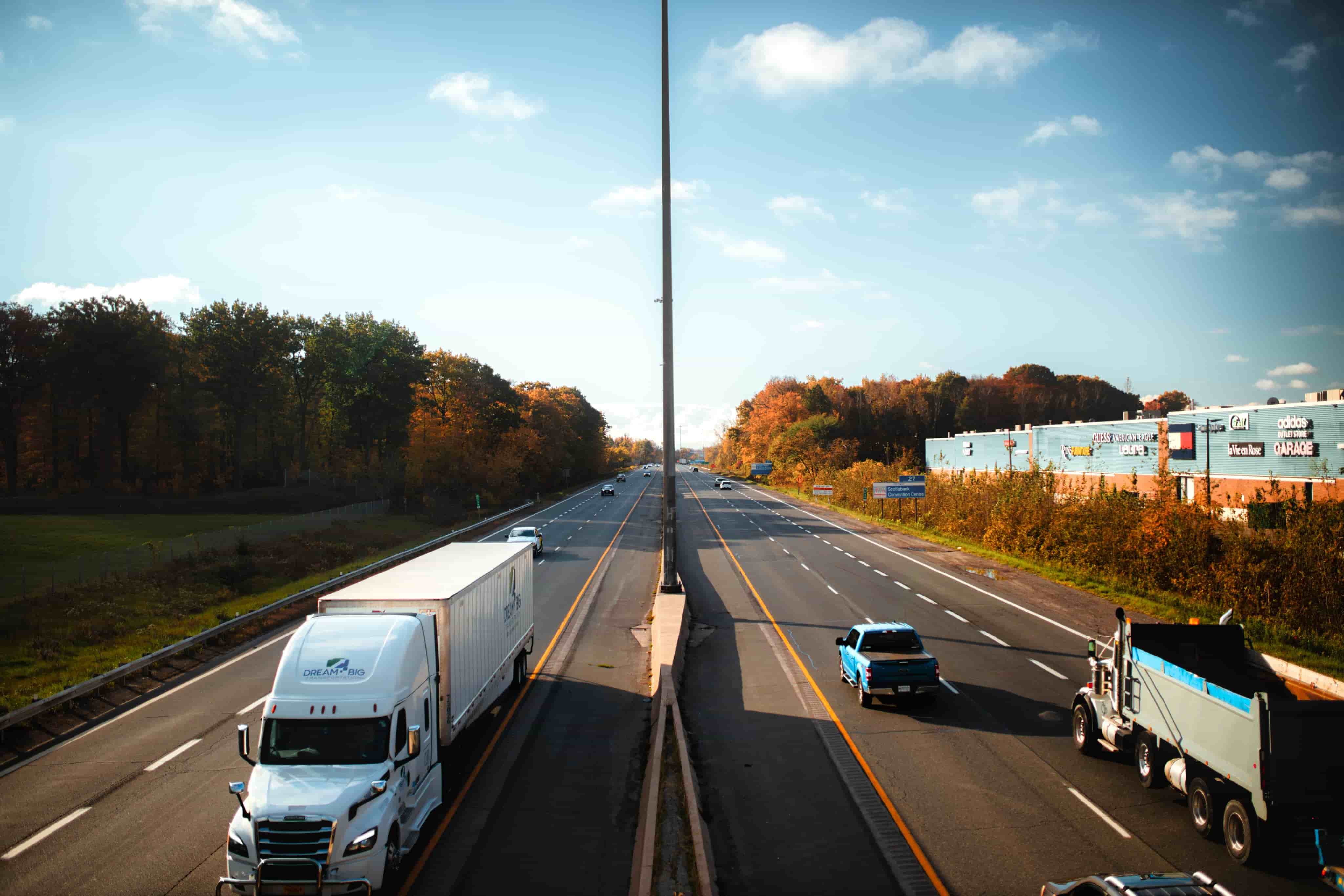
From palletized cement to 60-ft steel beams, we secure the right equipment and FMCSA-vetted carriers for every load, dry vans, tarped flatbeds, step decks, and even ocean containers. Compare live rates from 50+ carriers, book in minutes, and then track each shipment in real-time until it’s unloaded at your jobsite.
Why contractors choose FreightCenter
-
Equipment matched to the load and weather-proof needs
-
Carriers are pre-screened for insurance, permits, and safety ratings
-
Job-site extras (liftgate, crane appointment, limited access) scheduled up front
-
GPS tracking and instant ETA alerts for zero-guesswork deliveries
Get accurate quotes, compliant carriers, and materials on site when crews need them. Get your free construction freight quote today.
What To Consider Before Shipping Construction Materials
Before any load leaves the yard, start with the basics: write down exactly what the job needs—brick counts, lumber lengths, drywall type, steel grade—and confirm each item’s size, weight, and special handling needs. Moisture-sensitive drywall, for instance, should never ride on an uncovered flatbed, while oversized beams may require special permits.
Next, verify that every supplier you use can hit the dates on your build schedule. Late deliveries stall crews and inflate costs, so choose vendors with documented on-time performance and make sure you have enough onsite space to stage each drop. If large components (like pallet racking or formwork) can be broken down into bundles, do it; higher load density lowers freight class and trims your bill.
Packaging matters, too. Sturdy pallets or crates, full stretch-wrap, and edge guards prevent scratches and shifting. Clear labels—contents, weight, handling notes—help dock crews unload fast and accurately. Then pick a transport mode that fits the distance and volume: box trucks or flatbeds for local runs, LTL for mixed regional loads, and full truckload or ocean containers for bulk, cross-country, or international moves. Finally, high-value items should be protected with cargo insurance; basic carrier liability rarely covers specialty finishes or structural steel.
Quick Packing Tips
-
Band & Wrap – Strap bundles tightly, then stretch-wrap from pallet base to top.
-
Edge Protection – Use corner boards or foam to stop metal edges from gouging nearby freight.
-
Moisture Control – Line crates with plastic or add desiccant packs for cement, MDF, or drywall.
-
Photo Proof – Snap pictures of each pallet at pickup; it speeds up any claims and eliminates disputes.
Follow these guidelines, and your bricks, lumber, steel, and other materials will reach the jobsite intact, ready to keep the build moving.
The cost of shipping construction and building materials can vary based on various factors. Consider the following when estimating shipping costs:
Explains equipment, permits, and best practices for hauling oversized loads like steel beams or long lumber.
Reserve a vetted carrier with ramps or winches to haul forklifts, skid-steers, or generators safely from yard to jobsite.
See dry-van versus flatbed costs for bundled lumber and plywood, with moisture-control options baked into every quote.
Get turnkey routing, oversize permits, and escort scheduling so your precast panels or long steel arrive on time and compliant.
Palletized bricks and blocks ride vibration-protected; choose the exact dock-time window to keep masons working without delay.
Add climate-controlled trailers, desiccant packs, and inside delivery in one step to prevent moisture damage on sheetrock and insulation.
Enter dimensions and weight to pull the correct NMFC class for cement, insulation, or steel and avoid costly re-class fees.
Secure A-rated coverage that pays full replacement value on high-end finishes, structural steel, or custom millwork if damage occurs.
 Guaranteed competitive pricing every time you ship.

Key Construction Materials & How to Ship Them
Getting building products to the jobsite intact takes the right prep—and the right partner. FreightCenter matches each load with carriers and equipment designed for the material you’re moving, so every delivery lands on time and in one piece.
-
Lumber & Wood Products – Band dimensional lumber and plywood into tight bundles; FreightCenter arranges tarped flatbeds to keep moisture out.
-
Masonry & Concrete – Bricks, blocks, and bagged cement ship palletized and shrink-wrapped; we secure forklifts or boom trucks for easy site unloads.
-
Roofing Materials – Edge-protected pallets of shingles, metal panels, or insulation ride safely, and FreightCenter can add lift-gate service for residential roofs.
-
Plumbing & Electrical – Pipes, wire spools, and breaker panels travel crated or boxed—FreightCenter books dry vans and flags “Do Not Stack” items for handlers.
-
Drywall & Insulation – Sheetrock and batts get moisture-barrier wrap; our team lines up climate-controlled trailers when humidity is a risk.
-
Flooring – Hardwood, laminate, and tile ship with cushioning between layers; FreightCenter recommends temperature-controlled vans for wood planks.
-
Windows & Doors – Glazed units ride in A-frame racks or custom crates; we coordinate blanket-wrap or inside delivery to avoid glass damage.
Plan ahead with FreightCenter, and every load—heavy, fragile, or oversized—arrives safe, compliant, and ready for installation.
FAQs About Shipping Building Materials
Q. How do I know whether to book LTL freight or full truckload for my materials?
If you’re shipping fewer than 10 standard pallets or under 20,000 lbs, LTL (less-than-truckload) is usually the most economical. For larger volumes, long lengths, or time-critical site deliveries, a dedicated full truckload is often faster and cheaper per pound.
Q. What paperwork is required before a shipment can leave the yard?
Every load needs a bill of lading, a detailed packing list, and accurate weight tickets. Oversized or overweight freight may also require state permits arranged by the carrier or broker.
Q. My jobsite doesn’t have a loading dock—can I still receive freight?
Yes. Request lift-gate service or a truck with a Moffett (portable forklift). Adding this accessorial at booking prevents costly re-delivery fees.
Q. How are long steel beams or pipe bundles secured for transport?
Carriers use Grade-70 chains, nylon straps, and edge protectors to prevent rub damage. Heavy bundles ride low; lighter ones stack on top to keep the load balanced.
Q. What’s the best way to protect drywall and insulation from moisture?
Shrink-wrap each pallet, line crates with plastic, and ship in an enclosed dry van. Desiccant packs absorb residual humidity on longer hauls.
Q. Does carrier liability cover the full value of my materials?
No. Standard liability is capped by weight—typically $0.50–$2 per lb. Purchase cargo insurance to cover full replacement value on high-end finishes or specialty steel.
Q. How far in advance should I schedule shipping to hit a concrete-pour date?
Q. Can I track my shipment in real time?
FreightCenter’s web and mobile dashboard gives GPS tracking, ETA, and automatic delay alerts. Share a live link with supers or subcontractors to keep everyone informed.
Q. Do carriers supply pallets, crates, or strapping?
Carriers provide the truck and securement gear; shippers must supply pallets or crates and band or wrap the load before pickup.
Q. What if my jobsite has restricted hours or requires an appointment?
Include receiving windows and site contacts when you book. FreightCenter schedules the delivery appointment with the carrier so drivers aren’t turned away.
Q. Are there special rules for shipping hazardous construction goods like adhesives or sealants?
Yes. DOT-regulated hazmat items require UN labels, documentation, and, in some cases, placarded trailers. Book a hazmat-authorized carrier and follow all packaging regs.
Q. How do ocean shipments of construction materials work for overseas projects?
Materials are loaded into 20- or 40-foot ocean containers, sealed at origin, and moved by rail or truck to the port. FreightCenter’s international team handles customs paperwork and duty estimates.
Q. Can multiple deliveries be staggered to match different build phases?
Absolutely. Schedule progressive drops—foundation materials first, framing lumber next, finishes last—so the site stays clear and cash flow remains balanced.
Q. What happens if my shipment arrives with visible damage?
Note the damage on the delivery receipt, photograph immediately, and notify FreightCenter within 24 hours. Keep the packaging and proof of value to expedite the claim.
Q. Do I need different truck types for residential construction compared to a large commercial site?
Insider Freight Hacks for Construction Materials
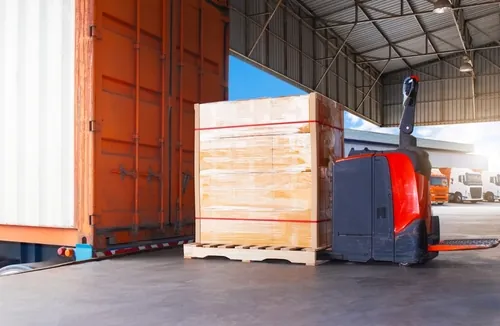
Off-Peak Pickup Discounts
Schedule pickups late afternoon or mid-week—carriers eager to fill backhauls often knock 5–10 % off the line-haul rate.
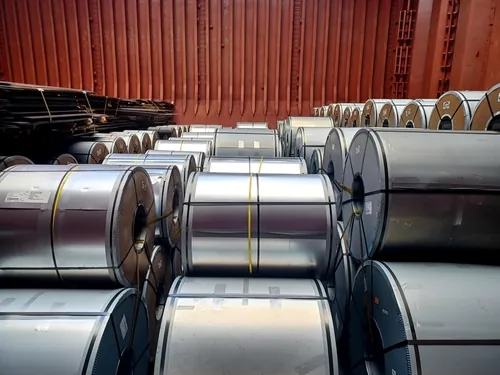
Density Beats Volume
Compress long items into tight bundles; a lower freight class from higher density can shave more off your quote than any volume deal.

Book Site Equipment Early
Reserve lift-gates or cranes 48 hours ahead—same-day add-ons can double the fee and stall your entire crew.